═══ HERO ═══
═══ SECTION 1 ═══
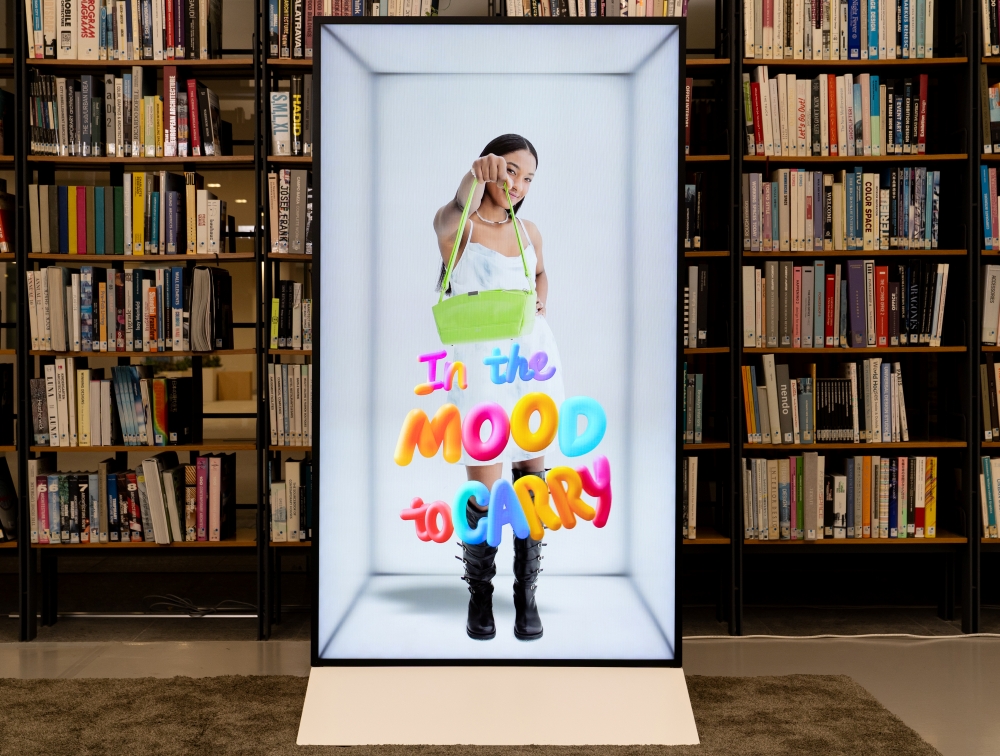
2026年2月,巴塞罗那。欧洲最大显示展 ISE 2026 的展厅里,三星展台前人群驻足、屏息——
一块仅5厘米厚的屏幕中,3D物体如浮游般360度旋转,仿佛伸手可触。全程,无需佩戴任何3D眼镜。
At ISE 2026 in Barcelona, visitors crowded the Samsung booth. Inside a display just 2 inches thick,
3D objects rotated 360 degrees as if floating in midair — no glasses required.

brings glasses-free 3D to an 85-inch display.
三星新闻中心为此专访了空间标牌背后的四位核心工程师——涵盖显示事业部(VD)、三星研究院(SR)
与企业设计中心(CDO),首次完整揭开这款连斩 IFA 2025、CES 2026 与 ISE 2026 六项大奖的产品的研发全貌。
Samsung Newsroom interviewed four experts across VD Business, Samsung Research and
the Corporate Design Office — revealing the full R&D journey behind the award-winning display.
═══ SECTION 2 ═══
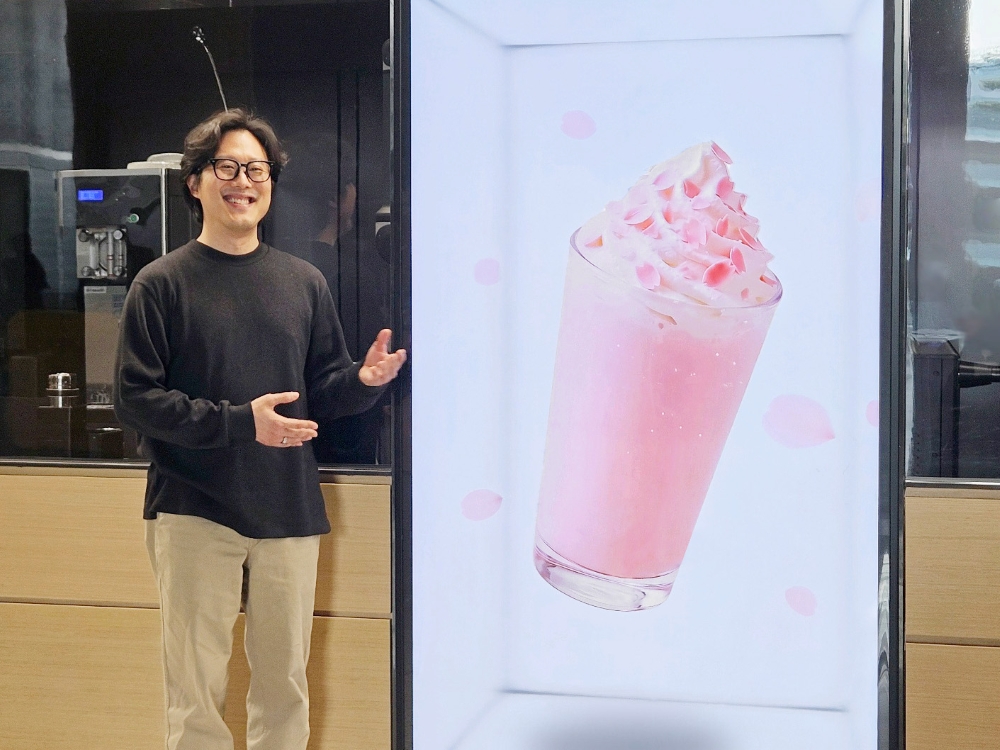
来自VD事业部的Sun揭示了产品立项的背景:”市场对视觉冲击力更强的内容需求持续攀升——
超大型LED变形广寒宫式显示安装正流行,但它们需要专用3D内容和大量空间。”空间标牌的关键突破在于:
既兼容现有标牌系统,又大幅降低专属内容制作成本,同时无需笨重的全息投影箱体。
“We are seeing rising interest in visually striking content,” said Sun. “But existing installations
require dedicated 3D content and more space. Spatial Signage reduces content production costs
while remaining compatible with existing signage systems.”
═══ SECTION 3 ═══
空间标牌的核心是 3D Plate 技术。来自三星研究院的Lee解释道:
“系统通过光学组件将两幅独立图像分别送入左右眼,利用双眼视差原理让大脑感知深度。
就像小时候玩的’光栅卡片’——从不同角度看显示不同画面——只不过我们的版本是85寸的。”
“The system sends separate images to each eye using binocular disparity so the brain perceives
depth,” Lee explained. “A lenticular card — showing different images from different angles —
is a common example, just at 85 inches.”
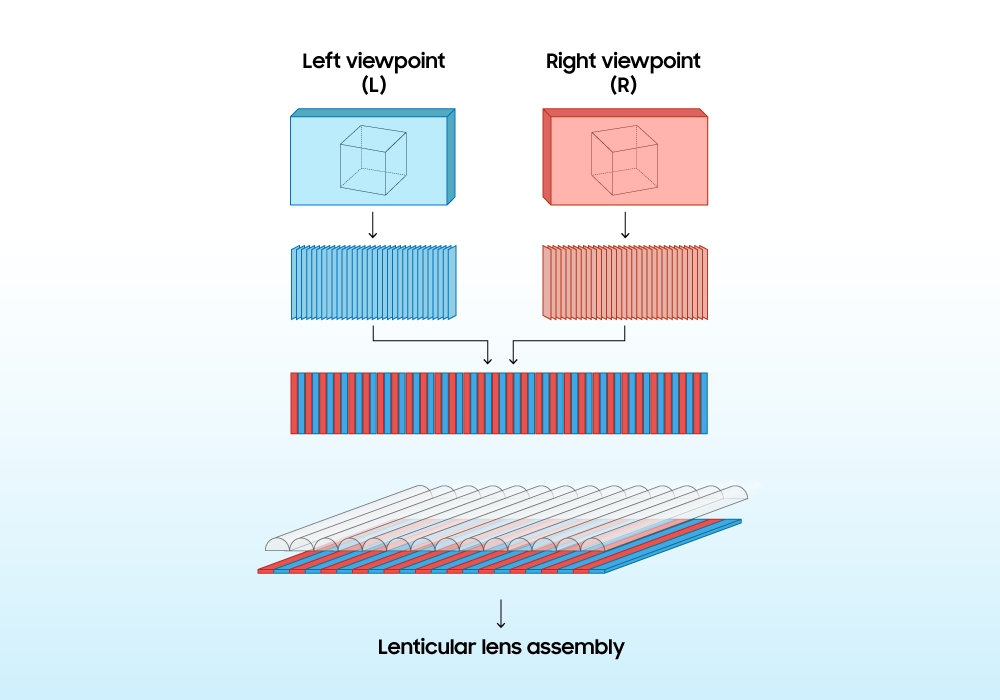
画质与沉浸感两者兼得,解决了传统裸眼3D「画质下降 + 视角狭窄」的老大难。
and immersion. This solves the age-old glasses-free 3D tradeoffs of reduced quality and narrow viewing angles.
═══ SECTION 4 ═══
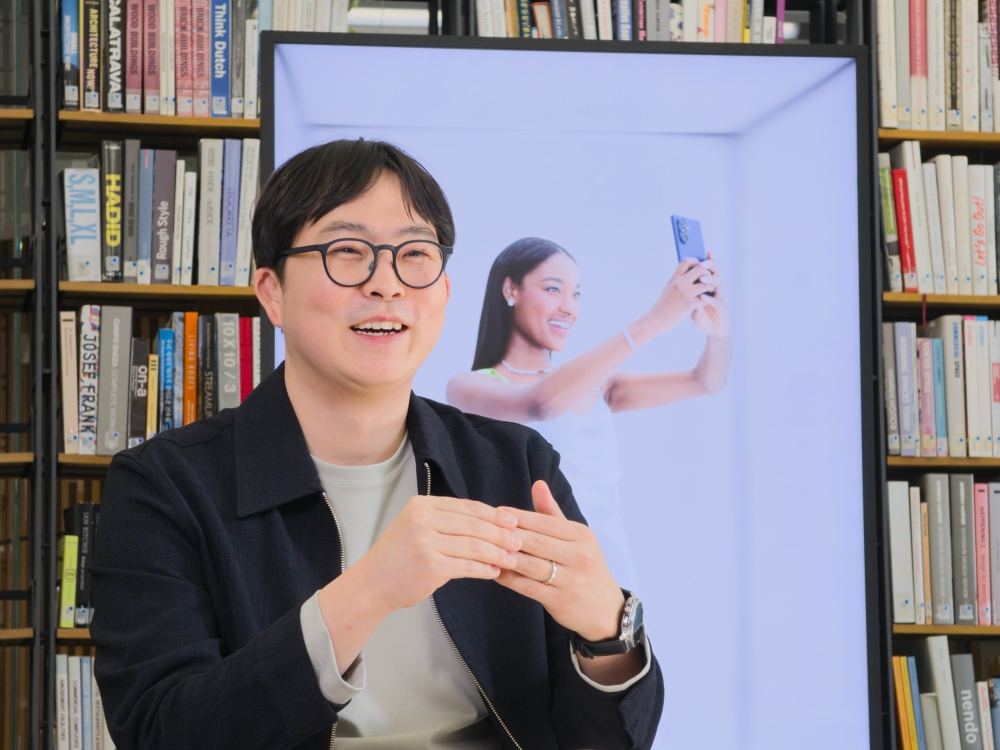
做一块85寸的超大3D屏,远比把光栅卡片放大难得多。3D Plate由光栅透镜与印刷图像精确对位组合——
且一次成型后无法调整。设计规格与实物结构的微小偏差,足以让整个背景画面产生畸变。
A 3D plate combines lenticular lenses with printed images — and once created, it cannot be adjusted.
Any discrepancy between design specs and the actual structure can cause visual distortion on screen.

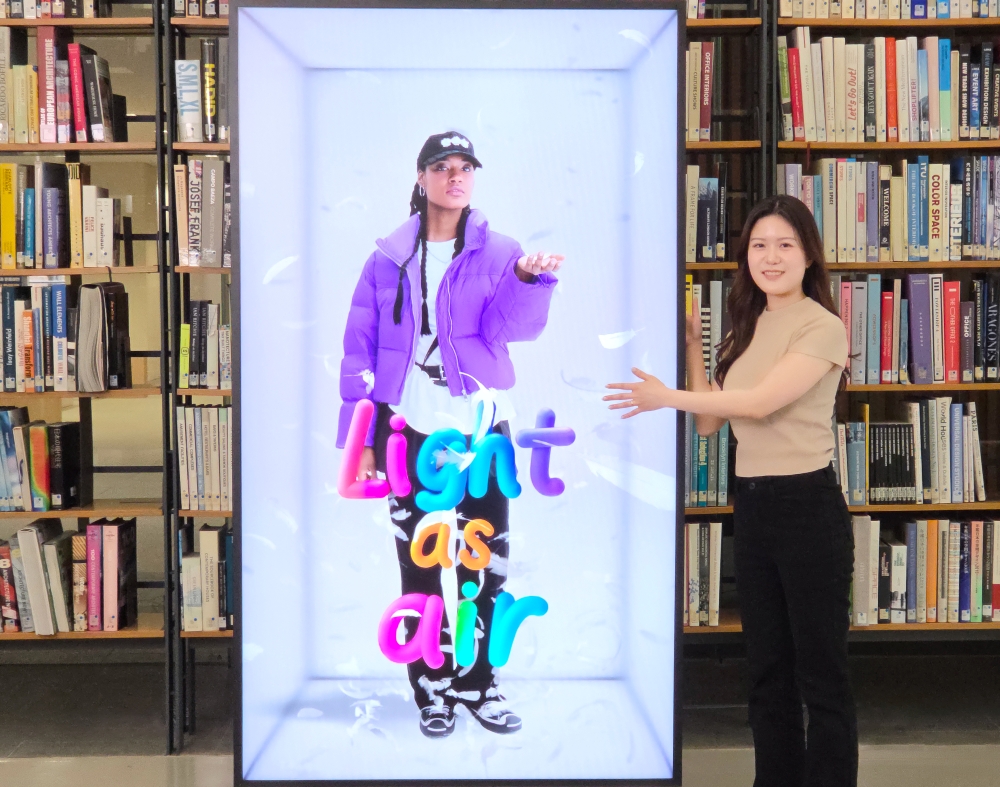
厚度与景深的博弈是另一大挑战。空间标牌仅使用3-4毫米的超薄光学板,却要实现
高达500mm的感知景深——仿佛屏幕内部凭空延伸出一个50厘米深的”盒子”。
Nam透露:”在如此薄的材料上实现深度,镜头设计和可靠性测试极其困难。
我们遇到了无数意料之外的障碍,团队集思广益才将品质推向极限。”
Spatial Signage uses a thin 3-4mm 3D plate to create a box-like space with perceived depth
of up to 500mm. “Achieving depth with such thin optical materials made lens design and
reliability testing difficult. We explored a range of ideas to push quality further.”
物理规律还给团队下了两个”绊子”:超大面积导致重力下垂产生斑点和畸变;
垂直透镜间产生摩尔纹(高频波浪纹图案)。
“这些技术限制反复出现,没有跨团队的紧密协作,根本不可能攻克。”
Gravity causes sagging and blemishes on ultra-large plates, while vertical lenses produce
the moiré effect. “We repeatedly encountered these constraints. It would not have been
possible without close collaboration across teams.”
═══ SECTION 5 ═══
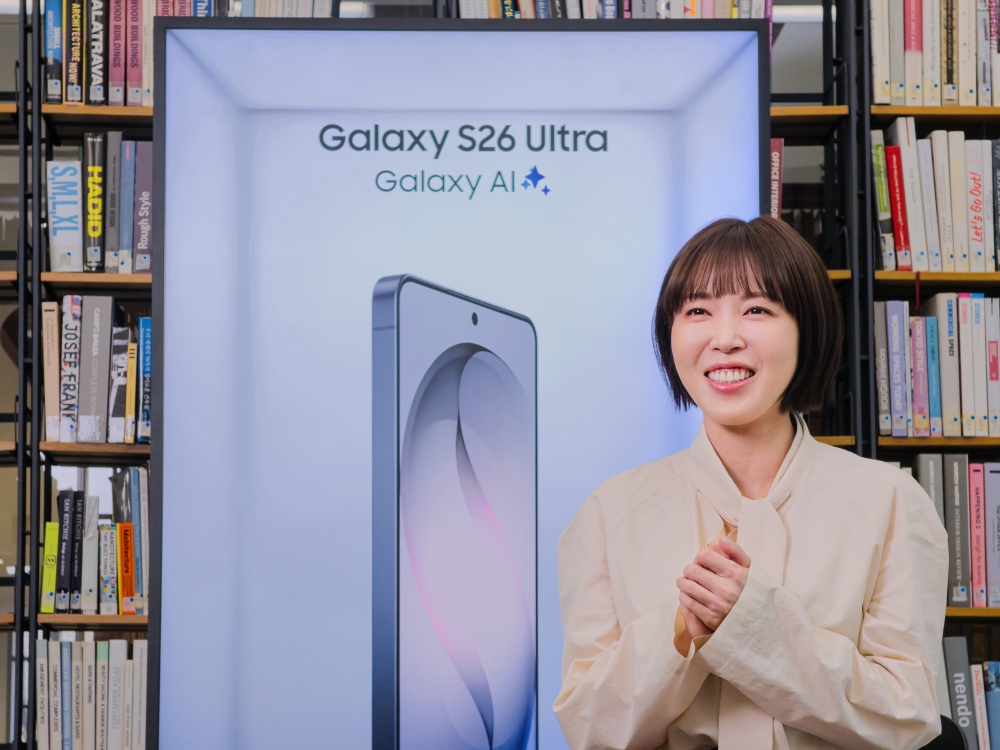
技术到位后,设计登场。来自企业设计中心的Chung分享了堪称”技术与美术的双人舞”的过程:
3D Plate上布满了精确计算的线条、曲面和渐变背景,而前景2D内容中的光影、
阴影与透视则与背景深度精确对齐。”就像把一个3D软件里的虚拟图像拉到了现实世界。”
“We refined the 3D plate imagery and developed guidelines for image processing that enhance
elements such as perspective and shadows. This project felt like bringing virtual images from
a 3D program into the real world.”
设计师必须提前预判这些片段如何拼接在一起。
thinner than a strand of human hair — and designers must anticipate how they come together.
═══ SECTION 6 ═══

为了降低商用门槛,三星还推出了 Samsung VXT(视觉体验转换平台),内置
AI Studio——用户只需上传一张产品图片,AI即可自动生成适配空间标牌的3D视频内容,
让咖啡馆、零售店也能低成本创作裸眼3D推广。产品线也将从当前85寸扩展至32寸和55寸,年底面市。
AI Studio within Samsung VXT lets users create signage-ready 3D videos from a single product image.
The lineup will expand from 85-inch to include 32-inch and 55-inch models later this year.
「每当我路过安装了空间标牌的咖啡馆,总能看到人们停下脚步注视屏幕。
对于想用全新方式推广季节菜单的连锁店来说,它提供了极具说服力的选择。」
“Whenever I walk by a café with Spatial Signage, I notice people pausing to look.
For franchises seeking engaging ways to promote seasonal menus, it offers a compelling alternative.”
— Yujin Nam
Sun补充道,来自欧洲教育部门的3D视听方案、大型健身连锁的虚拟私教系统,以及韩国主题乐园
(正是爱宝乐园Safari World)的AR等候区都在积极接洽中。”我们将持续打造一个
只有三星才能提供的商业显示生态。”
“Spatial Signage is drawing strong interest from 3D audiovisual education in Europe,
virtual personal training for fitness chains, and AR waiting areas at theme parks in Korea.
We will continue to build a commercial display ecosystem only Samsung can deliver.”
📱 SPATIAL SIGNAGE · 全技术参数
85英寸(32/55寸年底上市)
约 5 cm(2英寸)
3-4 mm 3D Plate
最高 500 mm
Samsung 3D Plate 专利 + 双眼视差光学
前景2D高分辨率 + 背景3D景深
Samsung VXT + AI Studio(一张图生成3D视频)
IFA 2025 / CES 2026 / ISE 2026 ×6
微米级(细于头发丝)
零售、教育、健身、主题乐园、展览
═══ SECTION 7 ═══
空间标牌的深层意义,远不止”把画面变3D”这么简单。这篇深度专访揭示了三星正在做的
是将3D显示从”奇观”转化为”商业基础设施”——通过降低内容制作门槛
(AI Studio一张图即可)、兼容现有标牌系统、扩展多尺寸多场景,让裸眼3D从少数企业的
营销噱头,变成连锁咖啡店和主题乐园都能负担的日常体验。
Spatial Signage isn’t just about making images 3D — Samsung is transforming 3D display
from spectacle into commercial infrastructure. AI Studio lowers content creation to a single
image; multi-size expansion and system compatibility make glasses-free 3D accessible
beyond elite installations.
显示屏行业的下一个十年,才刚刚开始。
the next decade of the display industry has only just begun.
═══ FOOTER ═══
发表回复